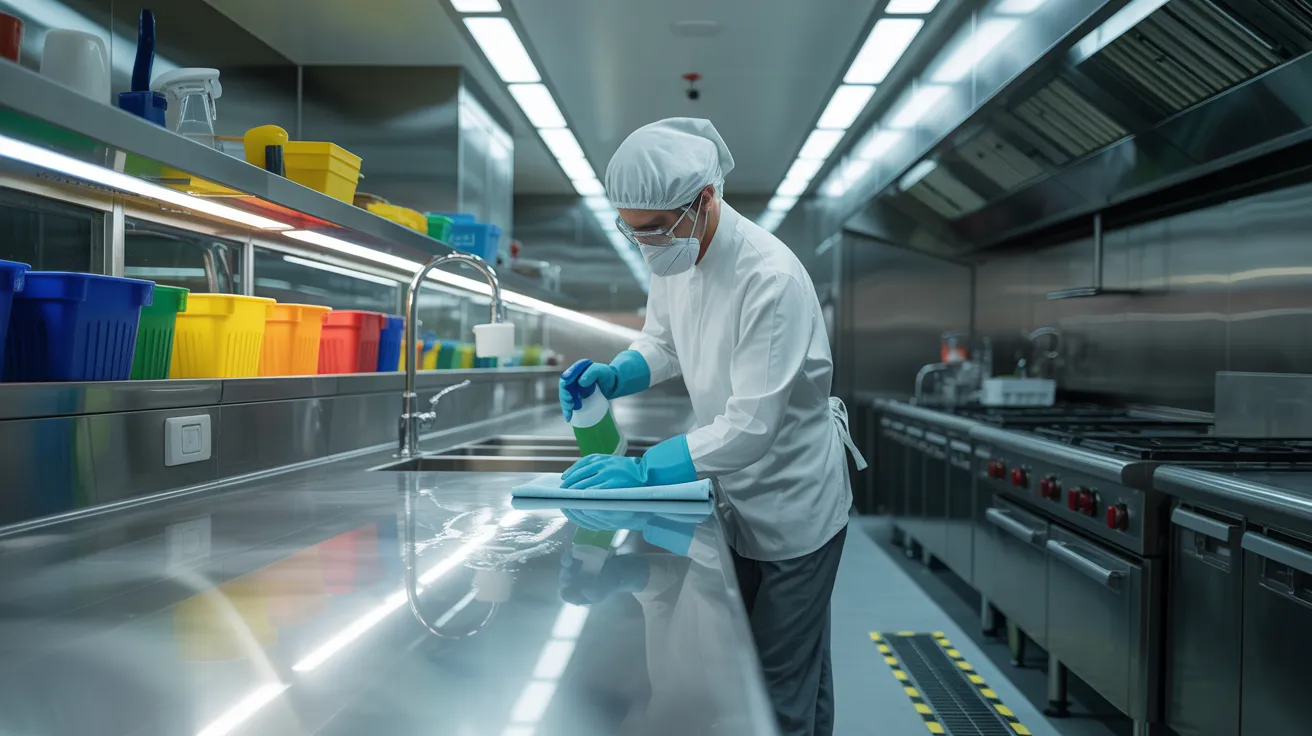
Commercial hygiene experts located in Brampton ensure restaurants, commissaries, baking enterprises, warehouses, and mobile food units in compliance. They treat frequently handled areas, food-contact areas, equipment, floors, drains, restrooms, and food handling areas using approved sanitizers, in correct dilution, and using documented contact periods.
Key Takeaways
- Sanitation specialists from Brampton support restaurants, grocery departments, commissaries, warehouses, bakeries, schools, mobile vendors, and allergen-sensitive operations.
- Frequently contacted areas, food-contact equipment, kitchens, floors, drains, restrooms, and storage areas are sanitized using sectional methods to reduce cross-contamination.
- Approved sanitizer dilution, appropriateness, and contact time are checked by approved specialists, with conclusion logged via samples, audits, and correction logs.
- Proper hygiene calendars factor in danger, throughput, format changes, incidents, and requirements when allocating everyday, periodic, and annual duties by area.
- Highlight providers exhibiting HACCP, public-health competency, WHMIS education, liability, references, colour-coded equipment, and audit-ready cleaning documentation.
Which Brampton Operations Need Food Safety Cleaning?
You must comply with food safety cleaning if your business is regulated by public health review, food regulations, or HACCP systems. This covers dining establishments, employee cafes, distribution hubs, market sections, meat shops, fish stands, retail outlets, and food service kitchens.
You also need adherent sanitation protocols in warehouses, food manufacturing plants, cold storage sites, retail bakeries, school nutrition programs, banquet halls, and meal delivery hubs. Portable and seasonal businesses count too, including catering trucks, festival vendors, and pop-up food booths. If your staff prepare raw materials, portion finished foods, warm up meals, or maintain allergen storage, your facility needs written cleaning standards. In Brampton, hygiene isn't voluntary; it's part of lawful, functional, and customer safety adherence.
What Do Brampton Cleaning Professionals Handle?
Your facility requires professional cleaners who disinfect frequently contacted surfaces, kitchens, floors, and restrooms to maintain food safety compliance and public health standards. These zones receive attention because they represent the most significant contamination risk, hazardous walking conditions, and violations of hygiene standards.
By knowing exactly what gets cleaned, you are able to confirm your operation's sanitation protocols satisfy all operational and regulatory requirements.
Addressing High-Touch Surface Disinfection
Professional cleaning in Brampton providers stress high-touch surface sterilization because of the danger of harmful microorganisms and food matter transferring across your space. You require a formal plan for sterilizing all high-touch items including handles, plates, switches, railings, control surfaces, POS systems, and refrigeration equipment. Employing area assessment techniques, specialists locate every frequently handled point and determine cleaning intervals
maintaining one-way processes, and keeping separate cleaning materials organized by zone
Food Prep Areas, Flooring, and Sanitary Facilities
Brampton cleaning services focus on kitchens, floors, and restrooms as each zone presents different sanitation, slip-and-fall, and public health risks. In industrial kitchens, you need grease removal from cooking stations, appliance surfaces, drain systems, preparation areas, and backsplashes to reduce contamination and pest pressure.
Floor care that is recorded should also be anticipated. Technicians scrub and extract buildup from grout, tile, and vinyl flooring, then apply proper moisture management so you can reduce slip incidents and meet regulatory standards. They also handle entryways where moisture and debris migrate indoors.
Restroom cleaning requires disinfecting touchpoints, fixtures, partitions, dispensers, and waste containers, replacing items and managing smells. They also service restaurant moprooms, where chemical storage, sink hygiene, and drainage conditions can affect sanitation compliance and staff safety daily.
The Importance of Food Safety Cleaning in Brampton
Brampton businesses need to establish proper sanitation practices for satisfying health code requirements and obtaining approval. You also minimize cross-contamination by cleaning and sanitizing food-contact surfaces, equipment, and high-touch areas correctly. Most importantly, you help protect public health by lowering the risk of foodborne illness in your facility.
Health Code Compliance
Food establishments in Brampton face stringent health requirements, making food safety cleaning critical to fulfilling health code requirements, ensuring the safety of patrons, and preventing enforcement action. You must maintain clean food preparation areas, documented cleaning schedules, proper chemical use, and auditable operational standards that align with municipal and provincial inspection expectations.
Inspectors assess your operation to establish that your cleaning program maintains safe storage, machinery hygiene, trash control, and restroom sanitation.
Contamination Prevention
Maintaining regulatory compliance copyrights on your power to stop cross-contamination during everyday food preparation and sanitation. You must separate raw ingredients from ready-to-eat foods, sanitize prep surfaces between tasks, and position cleaning agents away from food surfaces. Clear procedures reduce transfer risks and support consistent compliance during inspections.
You should establish allergen separation to prevent major allergens from touching common work areas, storage bins, or tools. Employ separate boards, labeled implements, and strict utensil labeling so employees avoid combining products during preparation or service. Require handwashing after handling raw meat, seafood, eggs, or allergen-containing products. Replace wiping cloths regularly, and verify sanitizer strength with test strips. When you train staff to follow these controls every shift, you build a more hygienic, secure workplace that satisfies Brampton's safety standards daily.
Community Health Protection
If food safety cleaning deteriorates, you don't merely risk a failed inspection—you boost the probability of pathogenic contamination affecting customers, staff, and the broader Brampton area. You also undermine your responsibility in safeguarding community wellness, especially in high-traffic food premises where pathogens travel quickly through surfaces, equipment, and touchpoints.
You need sanitation procedures that eliminate contaminants, disinfect properly, and verify results. That requires adhering to contact times, using approved disinfectants, recording cleaning times, and educating employees to meet health-unit expectations. These controls support pathogen reduction by lowering microbial loads before they contaminate surfaces or food. In Brampton, strong sanitation shields at-risk groups, limits outbreak potential, and enables you to show due diligence. When you maintain proper standards, you exceed basic requirements—you actively reduce risk and support safer food service throughout the region.
Why Is Cleaning Essential for Food Safety Compliance?
Adopting thorough cleaning protocols underpins food safety compliance by minimizing contamination hazards, preventing pathogen multiplication, and maintaining your facility's adherence to sanitation requirements under HACCP-based programs and public health regulations. You confirm that food-contact surfaces appear visibly clean and microbiologically controlled, supporting documented preventive controls and inspection readiness.
Effective cleaning also enhances allergen mitigation by extracting residues that can provoke undeclared allergen exposure. by extracting residues that can cause undeclared allergen exposure.
Finding When to Schedule Commercial Cleaning
Cleaning schedules work best when you establish them according to risk, production volume, and regulatory requirements rather than relying on a fixed calendar alone.
promotional occasions, catering services, or public events need to schedule cleaning prior to and following for optimal event turnaround. Record schedules, confirm that work is completed, and modify schedules when hazards, volumes, or regulations evolve
What Should You Look For in Brampton Cleaning Experts?
Evaluate providers first by food-safe sanitation requirements rather than cost. You must ensure each provider understands CFIA, public health, and HACCP-aligned expectations for your business. Request insurance proof, WHMIS compliance, staff training documentation, and supervision methods. Check technician awareness of contamination prevention, chemical handling, and traceable sanitation records.
You must also evaluate business consistency and accountability. Seek references from Brampton food companies, then assess response speed, corrective-action procedures, and communication standards. Ensure the company enables supplier checks and can provide inspection-ready documentation when authorities or third parties demand verification. Verify equipment is maintained, color-coded items are deployed correctly, and operational-specific risks are understood. A qualified provider safeguards compliance, product integrity, and your market standing.
Which components are contained in a Food Safety Cleaning Plan?
Develop a written strategy that makes clear every sanitation responsibility, standard, and task before production begins. You should detail cleaning schedules, authorized chemicals, concentration levels, contact duration, implements, and validation techniques for each location, surface, and apparatus. Incorporate pre-operational inspections, corrective actions, and employee training requirements.
Your plan should also focus on contamination prevention controls, waste handling procedures, pest presentation management measures, and written schedules for restrooms, drains, floors, and food-contact areas. Detail how you'll separate raw and ready-to-eat processes, support ingredient tracking, and ensure accurate allergen labeling through validated cleaning between product changes. You should set accountability, keep signed records, and assess results against regulatory standards, HACCP controls, and customer requirements. When gaps appear, modify procedures immediately and instruct staff.
Commonly Requested Inquiries
Are sanitation providers offered for nighttime operations in Brampton facilities?
Yes, you can arrange cleaning services to accommodate nighttime operations in Brampton facilities. You'll coordinate nighttime cleaning around operational windows, access requirements, and personnel needs. Providers generally create overnight logistics to reduce interruption, maintain standards, and record finished tasks. You should confirm arrival schedules, supervision, lockout protocols, and disposal procedures before starting service.
Do Brampton cleaning experts offer emergency spill response solutions?
Yes, you can find many Brampton cleaning experts who provide hazard containment solutions. They handle contamination, assess risks, contain contamination, and start rapid decontamination to minimize risk and avoid operational disruption. You should verify arrival timeframes, professional credentials, PPE protocols, and waste management. If your facility must meet regulatory requirements, select a service that documents incidents, maintains regulatory procedures, and supports audit readiness.
Do environmentally safe disinfectants operate safely on food preparation areas?
In essence, plant-based sanitizers function safely for food-contact surfaces provided you buy items marked food-safe that satisfy regulatory requirements. Check exposure duration, mixing proportions, and rinse requirements prior to application. Plant based formulas decrease chemical hazards, although you should obtain demonstration of efficacy against harmful bacteria. To keep surfaces without residue, stick to manufacturer instructions exactly and ensure the cleaning agent adheres to relevant food safety standards.
Do cleaning plans enable production fluctuations?
Without question, cleaning plans adjust easily for seasonal variations. Revise frequencies, staffing, disinfectants, and testing procedures to correspond to seasonal workflows while preserving regulatory compliance. Minimize operational delays by planning sanitization surrounding equipment transitions, high demand periods, and usage cycles. Additionally revise standard operating procedures, instruction programs, and environmental monitoring to address temporary risks, novel allergens, or higher contamination levels. Ongoing evaluations keep your schedule current.
Do commercial cleaning providers instruct your team in sanitation best practices?
Certainly, commercial cleaners coach your employees on hygiene protocols. You obtain staff training on proper chemical use, contact times, contamination control, equipment disassembly, and documentation. They generally coordinate instruction with HACCP, GMP, and CFIA or local public health requirements. Many also run sanitation audits to check standards, uncover shortcomings, and reinforce corrective actions. This enables you to copyright standard processes, satisfy audits, and minimize foodborne pathogen risks every day.
Final Thoughts
By partnering with Brampton commercial cleaning and food safety experts, you aren't simply tidying—you keep your operation compliance-focused and your standards up to code. From kitchens to processing floors, every sanitized surface and organized space decreases contamination and avoids expensive losses. By arranging service on the right schedule and following a documented cleaning plan, you secure your team, customers, and your credibility. In a strictly regulated industry, clean spaces must be prioritized—they're essential to successful operations.